Loading...
Serving Vallejo, CA and surrounding areas. (707) 917-3870
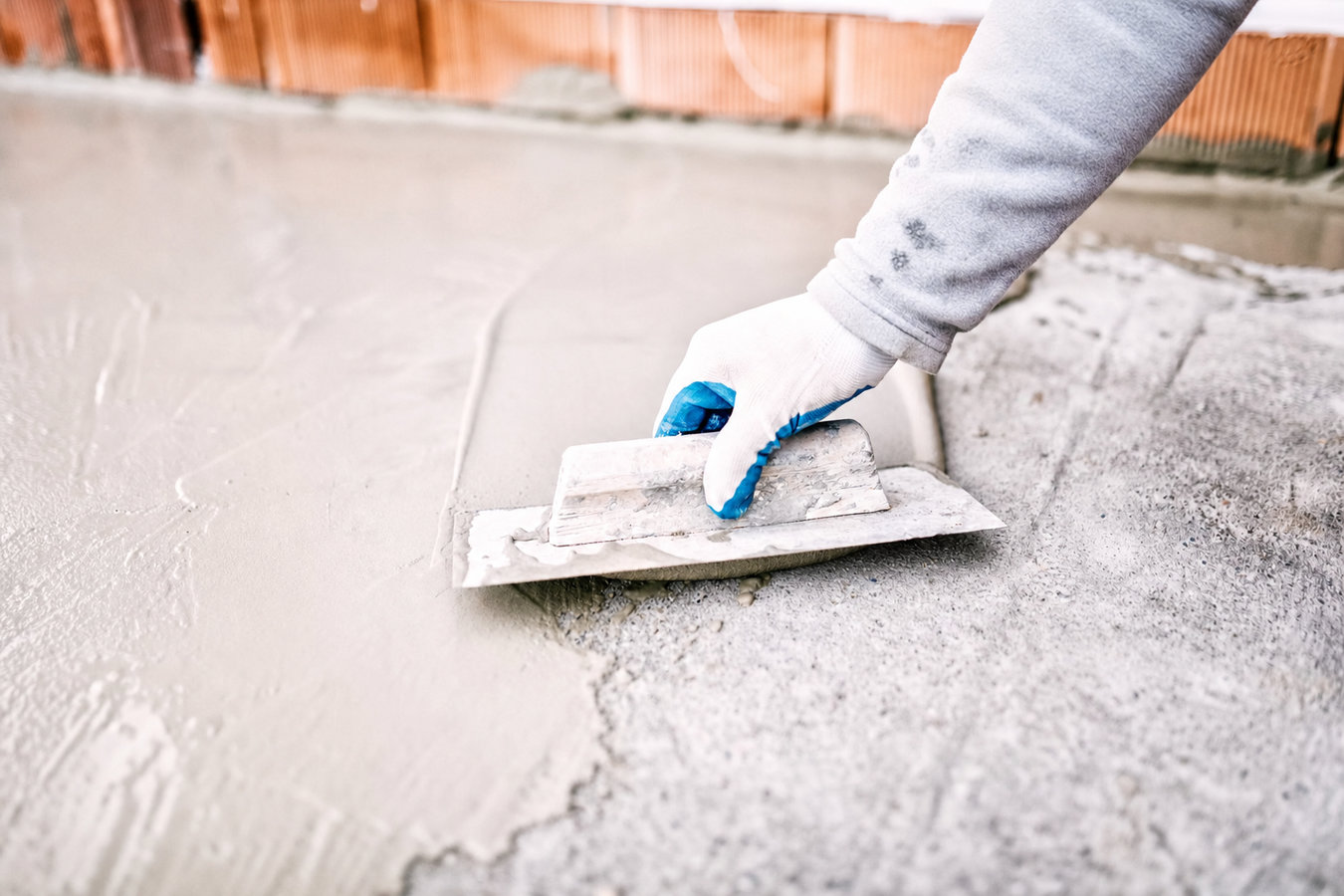
Uneven floors crack new tile, ruin hardwood installations, and make every room feel off. We pour self-leveling concrete and apply overlays that fix the problem at the source - so your next floor stays flat and stays put.
Self-leveling concrete in Vallejo, CA is a specially mixed material that spreads itself flat when poured onto an uneven floor - it flows into low spots and levels out without pushing or troweling - and most single-room jobs are walkable within 24 hours of completion.
If you have ever replaced floor tiles or vinyl planks only to watch them crack or lift again within a year, the problem was not the flooring - it was the uneven surface underneath. Self-leveling concrete fixes the root cause. It creates a flat, solid base that new tile, hardwood, vinyl, or other flooring can bond to properly and stay flat over time. Vallejo homes built before 1980 are particularly likely to need this work - decades of Solano County clay soil movement have had time to push and pull older slabs out of shape. For floors that also need a visual refresh on top of the leveling work, our concrete resurfacing and overlays service can apply a decorative finish layer once the floor is flat.
The curing timeline varies by product and conditions - light foot traffic is typically possible within 24 hours, but most products need 48 to 72 hours before new flooring goes down. Your contractor should give you a specific timeline before the job starts, not a rough guess afterward.
If you can see that your floor is not flat - water pools in one spot, furniture wobbles, or a ball rolls on its own - that is a clear sign the surface needs leveling. This is especially common in Vallejo homes built before 1980, where decades of soil movement have had time to push and pull the slab out of shape. You often do not need any tools to spot this - you can feel it walking across the room.
If you have replaced floor tiles or vinyl planks more than once and they keep cracking or popping up, the problem is usually the uneven surface underneath - not the flooring material or the installation. Flooring needs a flat, stable base to stay in place. Self-leveling concrete fixes the root cause rather than the symptom, so the next installation actually lasts.
Vallejo's clay-heavy soils absorb a lot of water during the rainy season, then dry out and shrink in summer. That cycle stresses your slab year after year. New cracks or widening old ones after a wet winter are a sign that movement is still happening - and worth having assessed by a contractor before you put new flooring down on top.
Most flooring manufacturers require the surface underneath to be flat within a specific tolerance. If your current floor does not meet that standard, the new flooring warranty may be voided and the installation will look and feel poor regardless of quality. A self-leveling pour before installation solves this cleanly and protects your investment in the new floor.
We pour self-leveling underlayments for interior floors that need to be brought back to flat before new flooring goes down - kitchens, bathrooms, living rooms, and basements are the most common applications. The pour depth ranges from about one-eighth of an inch for minor unevenness up to an inch or more for floors with significant dips. Every job starts with a thorough assessment of the existing floor: we check for moisture coming up through the slab - a common issue in older Vallejo homes - and test whether any cracks are still actively moving. Moisture that goes undetected before the pour is one of the main reasons self-leveling jobs fail, and we will not skip that step. For floors that need a decorative finish after leveling, our concrete resurfacing and overlays service can apply a color and texture layer on top once the base is flat.
We also apply decorative overlays as standalone projects for garage floors, basements, and workshops where the floor is already reasonably flat but the surface is worn or rough. All products we use meet California's VOC standards - which are among the strictest in the country - so the materials are safer to work with in your home and create less lingering odor. If your project is more involved and includes exterior surfaces, our pool deck coatings and resurfacing service extends similar techniques to outdoor surfaces.
Best for interior floors that are uneven and need to be brought flat before new tile, hardwood, or vinyl goes down.
Suited to garages, basements, and workshops where the floor is structurally fine but the surface is rough, pitted, or worn.
Needed for slabs in older Vallejo homes where moisture is coming up from below - prevents bubbling and adhesion failure in the overlay.
For floors with stable cracks that can be isolated and leveled rather than requiring full slab repair or replacement.
Vallejo sits on Solano County soils that include significant expansive clay - soil that swells when wet and shrinks when dry. Every wet winter and dry summer puts stress on concrete slabs, causing them to crack and shift over time. For homeowners in neighborhoods like Glen Cove and the older residential streets near downtown, this is not a theory - it is something they see in their floors every few years. Self-leveling concrete is designed to handle exactly this kind of problem: it fills the low spots left by soil movement and gives you a flat base to work from, whether you are installing new flooring or just tired of the floor rolling under your feet. The Fairfield and American Canyon areas share similar soil conditions, and we work in both regularly.
The Bay Area's humidity also affects how self-leveling work gets done here. Vallejo sits at the northern end of San Francisco Bay, and the air is often damp - especially in the mornings and during winter months. That humidity slows the drying and curing process for concrete products, which affects timelines and product selection. A contractor who works regularly in the area knows which products and techniques hold up in these conditions and will not schedule a pour on a day when the conditions are wrong for it. That local knowledge is the kind of thing that does not show up in a quote from an out-of-area contractor.
Call or message us and describe what you are dealing with - an uneven floor, a new flooring project coming up, a worn garage surface. We offer free on-site estimates and typically respond within one business day to schedule a visit. We do not quote by phone because the condition of your slab matters too much to guess.
We walk the space, measure the floor, and check for moisture coming up through the slab, active cracks, and old adhesive or coatings that need to come off first. This step determines the right approach and gives you an accurate price. A contractor who rushes through it is a red flag - we take our time here because problems found afterward cost more to fix.
On the day of the job, the crew grinds down high spots, removes any coatings or adhesive, and makes sure the floor is clean and ready to bond. Then the self-leveling material is mixed and poured - it spreads out on its own and fills the low spots. For a standard room, the actual pour takes less than an hour. Dust from the prep step is contained to keep it from spreading through your home.
Your contractor will give you a specific timeline for when you can walk on the floor and when it is ready for new flooring. Most products allow light foot traffic within 24 hours, with full curing taking a few days. Before the crew packs up, walk through the space with them and confirm the result looks right. That is the moment to raise any questions - not after they have left.
Free written estimate. No obligation. We reply within one business day.
(707) 917-3870Moisture coming up through a slab is the biggest hidden risk in self-leveling work - if it goes undetected, the material can bubble, crack, or peel within months. We test for moisture before every job. If we find it, we address it first. This adds a step and we do it on every project because the alternative is a surface that fails and needs to be redone.
Some floors need more than leveling - they need active cracks addressed, significant sections repaired, or a full slab assessment. We will tell you that before we start rather than taking the simpler job and letting you discover the problem later. Homeowners who have dealt with contractors who overpromised appreciate a straight answer from the beginning.
All products we use meet California's air quality standards, which limit VOC emissions from concrete coatings and materials - this matters for indoor air quality in your home. Every job is backed by a written contract. You can verify any contractor's license at cslb.ca.gov before signing anything.
Vallejo's expansive clay soils are one of the main reasons floors go uneven here, and a contractor who works in the area regularly understands how that affects what needs to happen before and during a pour. That is a different level of preparation than a contractor who treats every floor the same regardless of where it is.
A self-leveling pour done right protects every dollar you put into new flooring on top of it. When the assessment, prep, and pour are all handled correctly, the floor stays flat and the flooring above it holds up the way it should.
Bring a slip-resistant, weather-resistant coating to an outdoor pool deck that has cracked or worn over time.
Learn MoreRefresh a worn driveway, patio, or garage floor with a bonded overlay that covers stains and surface damage without full replacement.
Learn MoreMost jobs complete in a single day - reach out now and we will get yours on the schedule.